


How to Freeze Vegetables Properly (Without Them Going Watery)
- Cosy & Merry

- May 1
- 4 min read
How to Freeze Vegetables Properly (Without Them Going Watery)

Freezing vegetables has been one of the best things I’ve done to make dinner times quicker, easier, and far less stressful.
But—if you’ve ever tried it—you’ll know it doesn’t always go perfectly.
Some veg turns out great… and some ends up soft, watery, and not quite what you were hoping for (especially if you’ve ever tried using frozen veg in a stir-fry or fajitas).
After doing this for a while, I’ve figured out what works, what doesn’t, and a few simple tricks that make a big difference.
This is something I learned quickly when I started making my own frozen veg mixes for easy family meals.
Why Frozen Vegetables Sometimes Go Watery
This is the key thing to understand.
Vegetables naturally contain a lot of water. When you freeze them:
The water inside turns to ice
Ice expands and breaks down the cell structure
So when you cook them later, that water gets released—leaving you with softer veg and extra liquid in the pan.
That’s why frozen veg works beautifully in some meals… and not so well in others.
The Simple Trick: Match the Veg to the Meal
Before even getting into techniques, this is the biggest game-changer:
Use frozen veg for “wet” dishes
These include:
Soups
Curries
Ragu
Risotto
Stews
These dishes absorb the extra moisture, so nothing goes to waste—and the texture still works perfectly.
These dishes naturally have a softer texture, so when frozen vegetables release extra water, it doesn’t ruin the dish—it actually blends in. That’s why they work so well in meals like a creamy vegetable risotto or a simple homemade ragu.
Creamy Vegetable Risotto
Rich & Easy Ragu
Creamy Bolognese Risotto
Do You Need to Blanch Vegetables First?
Blanching means briefly boiling veg, then cooling it before freezing.
When it helps:
Broccoli
Green beans
Carrots
It helps:
Preserve colour
Improve texture
Keep flavour
When I don’t bother:
For things like:
Onions
Peppers
Courgette
I freeze them raw—especially when they’re going into sauces or slow-cooked meals.
And honestly? For busy, real-life cooking, this works just fine.
How I Freeze Vegetables (My Simple Method)
I keep this as easy as possible:
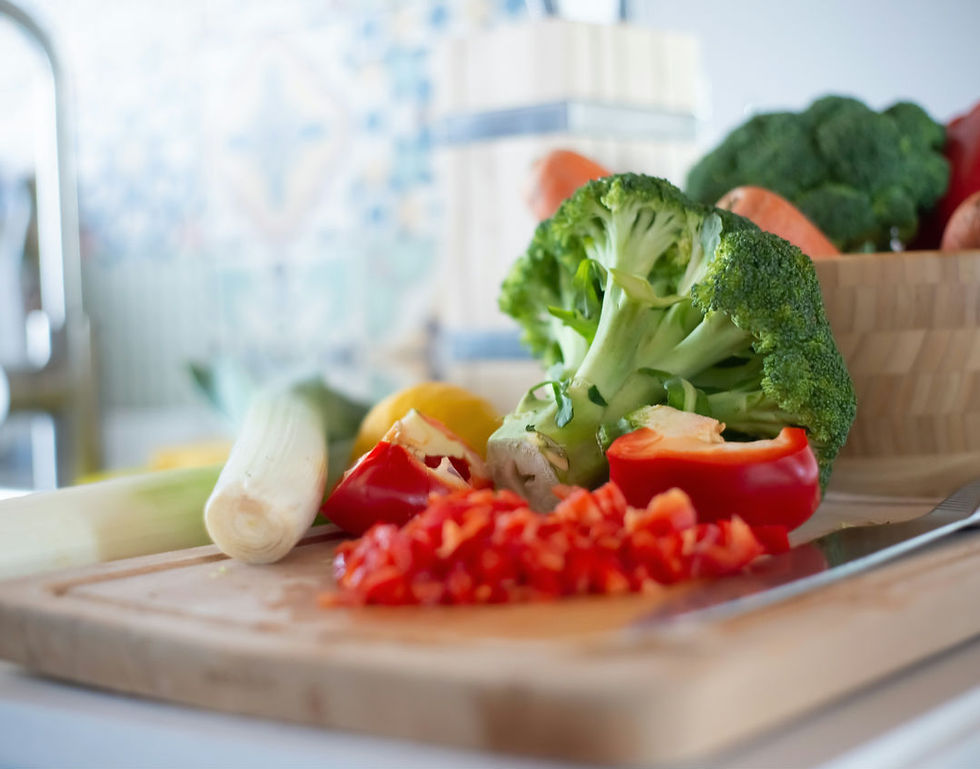
Wash and chop the veg
Pat it dry (this helps reduce ice build-up)
Portion into freezer bags
Label if needed
Freeze flat so they stack easily
That’s it.
No complicated steps—just simple prep that makes dinner faster later.
How to Avoid Watery Veg When Cooking
Even with the best prep, frozen veg will release water—but here’s how to manage it:
Cook from frozen (don’t defrost first)
Use a hot pan to help evaporate moisture quickly
Don’t overcrowd the pan
Drain excess liquid if needed
This is especially helpful if you’re using mixes like peppers and onions.
The Veg That Doesn’t Freeze Well (In My Experience)
Some vegetables just aren’t ideal if you’re after texture:
Peppers (for stir-fries/fajitas)
Courgette (can go quite soft)
Mushrooms (release a lot of water)
That doesn’t mean they’re unusable—it just means they’re better suited to: sauces, curries, or blended dishes
What I Do Instead
I don’t avoid these veg—I just use them differently.
For example:
Pepper and onion mixes → fine for quick, “good enough” fajitas
Courgette → great in risotto or pasta sauce
Mushrooms → best in sauces or stews
It’s all about expectations.
More Vegetables That Freeze Really Well
Once you get into the habit of freezing veg, you start to realise just how many things you can prep ahead and keep ready to go.
Sweet Potato
Perfect for curries, soups, and stews.
It softens slightly when frozen, but that actually works well in slower-cooked, saucy dishes.
Butternut Squash / Pumpkin
Great diced and added straight into:
Curries
Soups
Traybakes (softer texture)
You can also:
Cook and blend it first
Freeze as a purée
This is perfect for autumn recipes like soups, sauces, and even pumpkin pie.
Spinach
Freezes brilliantly and is so easy to use.
Freeze raw or wilted
Add straight into curries, pasta sauces, or soups
It cooks down quickly, so it’s ideal for boosting meals with extra greens.
Peas & Sweetcorn
These are freezer staples for a reason.
No prep needed
Hold their texture well
Perfect for quick meals, rice dishes, and sides
Broccoli & Cauliflower
Best if lightly blanched first, but still very usable.
Great for:
Cheese sauces
Bakes
Soups
A Quick Tip
The softer a vegetable naturally is, the better it tends to work after freezing—especially in dishes where texture isn’t the main focus.
Thoughts
Freezing vegetables doesn’t have to be perfect to be incredibly useful.
Once you understand:
Why they release water
Which meals they work best in
A few simple cooking tricks
It becomes one of the easiest ways to:
Save time
Reduce waste
Make cooking feel more manageable
And on those busy or “can’t be bothered” days… having those freezer veg mixes ready to go is an absolute lifesaver.
I’ve started doing the same with other ingredients too, like storing flour properly to make it last longer.

Comments